
Introduction
Playgrounds are essential attractions for businesses and public spaces that want to provide family-friendly environments. From shopping malls and family entertainment centers to parks and resorts, playground equipment helps create engaging spaces where children can play, learn, and socialize.
However, when planning a playground project, one of the most important decisions is whether to install indoor playground equipment or outdoor playground equipment. Both options have unique advantages, design considerations, and business benefits.
Indoor playgrounds have become increasingly popular in commercial venues such as shopping malls and entertainment centers. They offer controlled environments, year-round operation, and creative themed designs. Outdoor playgrounds, on the other hand, provide larger play areas, natural interaction, and lower operational costs.
For investors, developers, and business owners, choosing the right type of playground equipment can significantly impact the success of a project. This article explores the differences between indoor and outdoor playground equipment, their advantages, costs, and ideal applications to help you determine which option best suits your business needs.
What Is Indoor Playground Equipment?
Indoor playground equipment refers to play structures designed specifically for installation inside buildings such as shopping malls, entertainment centers, restaurants, and amusement parks.
These playgrounds typically include soft play systems made with foam padding, plastic slides, tunnels, climbing nets, and ball pits. The design prioritizes safety while providing exciting and interactive play experiences for children.
Indoor playground equipment is usually built using materials that are safe for enclosed environments, including:
- Soft foam padding
- PVC coverings
- Plastic play panels
- Steel support structures
- Netting and safety barriers
These materials help reduce injuries and allow children to play safely in a controlled indoor environment.
Key Features of Indoor Playground Equipment
Indoor playground systems often include multiple play elements designed to maximize engagement.
Soft Play Structures
Soft play equipment is the core feature of indoor playgrounds. It uses padded materials to reduce impact and ensure safety for young children.
Typical soft play features include:
- Foam climbing structures
- Soft obstacles
- Tunnel crawls
- Foam slides
- Ball pits
These structures are especially suitable for toddlers and younger children.
Multi-Level Play Systems
Many indoor playgrounds feature multi-level structures that allow children to climb, crawl, and explore different areas.
These play systems often include:
- Spiral slides
- Rope bridges
- Interactive panels
- Climbing nets
- Suspended obstacles
Multi-level play systems maximize the use of vertical space, which is especially useful in indoor venues.
Themed Playground Designs
Indoor playgrounds often incorporate creative themes to enhance the experience.
Popular themes include:
- Jungle adventure
- Ocean world
- Space exploration
- Castle playground
- Pirate ships
These themes create immersive environments that attract children and families.
Advantages of Indoor Playground Equipment
Indoor playgrounds offer several advantages for businesses looking to create family entertainment destinations.
Year-Round Operation
One of the biggest benefits of indoor playgrounds is that they are not affected by weather conditions. Rain, snow, extreme heat, or cold temperatures do not disrupt operations.
This allows businesses to operate year-round and maintain stable revenue streams.
Controlled Environment
Indoor playgrounds provide a controlled and secure environment. Temperature, lighting, and safety conditions can be carefully managed.
This makes indoor playgrounds particularly attractive for parents who prioritize safety and comfort.
Ideal for Commercial Venues
Indoor playgrounds are commonly installed in:
- Shopping malls
- Family entertainment centers
- Restaurants
- Indoor amusement parks
- Kids activity centers
These playgrounds encourage families to stay longer and increase customer spending.
What Is Outdoor Playground Equipment?
Outdoor playground equipment refers to play structures designed for installation in open environments such as parks, schools, resorts, and residential communities.
These playgrounds are typically larger and more durable than indoor play systems. They are designed to withstand weather conditions and heavy use.
Outdoor playground equipment often includes:
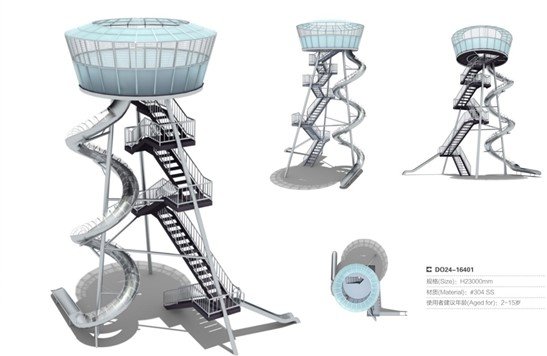
- Large slide structures
- Climbing frames
- Swing sets
- Adventure courses
- Rope climbing systems
- Seesaws and spring riders
Outdoor playgrounds provide children with opportunities to explore nature and enjoy active physical play.
Advantages of Outdoor Playground Equipment
Outdoor playgrounds offer unique benefits that make them ideal for public and recreational spaces.
Larger Play Areas
Outdoor playgrounds usually have more available space, allowing for larger structures and more complex play environments.
This enables the installation of features such as:
- Large climbing towers
- Adventure obstacle courses
- Long slides
- Rope playgrounds
- Zip lines
These elements create exciting play experiences that cannot always be replicated indoors.
Encourages Active Play
Outdoor environments encourage children to engage in physical activities such as running, climbing, and jumping.
Exposure to fresh air and natural surroundings also supports children’s physical and mental development.
Lower Operating Costs
Compared to indoor playgrounds, outdoor playgrounds generally have lower operational costs.
There are fewer expenses related to:
- Electricity
- Air conditioning
- Building rental
- Indoor maintenance
This makes outdoor playgrounds a cost-effective solution for public spaces.
Key Differences Between Indoor and Outdoor Playgrounds
Understanding the differences between indoor and outdoor playground equipment helps investors make informed decisions.
Space Requirements
Indoor playgrounds are typically limited by the size of the building. Designers must optimize vertical space and compact layouts.
Outdoor playgrounds usually have larger open areas, allowing for bigger structures and more play elements.
Materials and Construction
Indoor playground equipment often uses soft materials such as foam padding and plastic components.
Outdoor playground equipment uses more durable materials such as:
- Galvanized steel
- Stainless steel
- Weather-resistant plastics
- Powder-coated metal
These materials ensure long-term durability in outdoor environments.
Target Audience
Indoor playgrounds often target younger children and families visiting entertainment venues.
Outdoor playgrounds typically serve broader age groups and community users.
Which Option Is Better for Your Business?
Choosing between indoor and outdoor playground equipment depends on several key factors.
Location
The location of your project plays a major role in determining the best playground type.
Indoor playgrounds are ideal for:
- Shopping malls
- Commercial centers
- Indoor entertainment venues
Outdoor playgrounds are better suited for:
- Parks
- Resorts
- Schools
- Residential communities
Budget
Budget considerations are also important.
Indoor playgrounds often require higher initial investments due to building costs and interior construction.
Outdoor playgrounds may have lower operational costs but require durable materials and safety surfacing.
Business Model
Your business model should align with your playground investment.
Indoor playgrounds generate revenue through:
- Entry fees
- Birthday parties
- Food and beverage sales
Outdoor playgrounds often attract visitors to larger destinations such as resorts or theme parks.
Combining Indoor and Outdoor Playgrounds
Some entertainment venues combine both indoor and outdoor playground equipment to create comprehensive play environments.
For example:
- Resorts may offer outdoor adventure playgrounds along with indoor kids clubs.
- Theme parks often include indoor soft play areas for younger children.
- Shopping malls may install outdoor play areas in surrounding plazas.
This hybrid approach provides more play options and enhances visitor experiences.
Future Trends in Playground Design
The playground industry continues to evolve with new innovations and design concepts.
Some emerging trends include:
- Interactive digital play equipment
- Inclusive playground designs
- Adventure-style climbing structures
- Eco-friendly materials
- Nature-inspired playgrounds
Both indoor and outdoor playgrounds are incorporating these trends to create more engaging play environments.
Conclusion
Indoor and outdoor playground equipment both offer valuable opportunities for businesses and communities. The right choice depends on your location, target audience, budget, and long-term business goals.
Indoor playgrounds provide year-round entertainment in controlled environments, making them ideal for commercial venues such as shopping malls and family entertainment centers. Outdoor playgrounds offer larger play spaces, natural interaction, and lower operational costs, making them perfect for parks, resorts, and schools.
By carefully evaluating these factors and working with an experienced playground equipment manufacturer, businesses can create successful playground projects that attract visitors and deliver lasting value.