
Introduction
Commercial playground equipment plays a vital role in creating engaging, safe, and memorable play environments for children. From public parks and schools to resorts and family entertainment centers, playground equipment not only provides entertainment but also supports children’s physical development, creativity, and social interaction.
As demand for recreational spaces continues to grow around the world, businesses and municipalities are increasingly investing in high-quality playground equipment. However, choosing the right commercial playground equipment can be a complex process. Buyers must consider safety standards, materials, durability, design, and long-term maintenance costs.
This guide will help buyers understand everything they need to know when selecting commercial playground equipment. Whether you are planning a public playground, amusement park, school playground, or resort recreational area, this article will provide valuable insights to help you make the best decision.
What Is Commercial Playground Equipment?
Commercial playground equipment refers to professionally designed play structures intended for public or commercial use. Unlike residential playground equipment, which is typically used in private homes, commercial playground equipment is built to withstand heavy daily use and comply with strict safety standards.
These playground systems are commonly installed in places such as:
- Public parks
- Schools and kindergartens
- Shopping malls
- Theme parks
- Resorts and hotels
- Community recreation centers
- Indoor family entertainment centers
Commercial playground equipment is usually manufactured using durable materials such as galvanized steel, stainless steel, reinforced plastics, and weather-resistant coatings. These materials ensure the equipment can withstand various environmental conditions and maintain safety over many years.
Types of Commercial Playground Equipment
There are many different types of playground equipment designed to support various play experiences. Understanding these categories helps buyers design a more attractive and functional playground.
Slide Structures
Slides are among the most popular playground elements. They provide excitement and encourage children to engage in active play.
Common slide types include:
- Spiral slides
- Straight slides
- Tube slides
- Wave slides
- Double slides
Slides are often integrated into larger playground structures that include climbing platforms and bridges.
Climbing Equipment
Climbing structures help children develop strength, balance, and coordination. They are also highly engaging and promote problem-solving skills.
Examples include:
- Rope climbing nets
- Rock climbing walls
- Climbing ladders
- Dome climbers
- Adventure climbing structures
Climbing equipment is especially popular in adventure-style playgrounds and outdoor recreational parks.
Swing Sets
Swings are classic playground equipment that children of all ages enjoy. They help develop balance and coordination while providing a relaxing play experience.
Types of swings include:
- Belt swings
- Bucket swings for toddlers
- Inclusive swings
- Group swings
- Tire swings
Modern commercial playground designs often include accessible swings to ensure inclusivity.
Interactive Play Panels
Interactive panels provide educational and sensory play experiences. These panels are especially useful in playgrounds designed for younger children.
Examples include:
- Musical panels
- Puzzle panels
- Spinning wheels
- Counting games
- Sensory play boards
They are often installed on playground walls or within play structures.
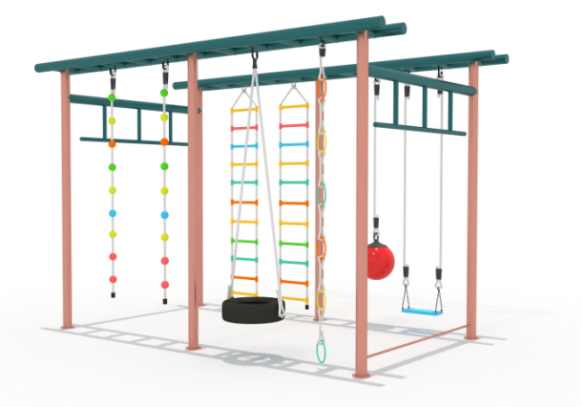
Rope and Adventure Equipment
Adventure playground equipment has become increasingly popular in recent years. These structures encourage physical challenges and imaginative play.
Examples include:
- Rope bridges
- Balance beams
- Suspension walkways
- Obstacle courses
- Ninja-style play equipment
These elements are commonly used in large parks and outdoor adventure playgrounds.
Benefits of Installing Commercial Playground Equipment
Installing high-quality playground equipment offers numerous benefits for communities and businesses.
Encourages Physical Activity
Playgrounds encourage children to engage in physical exercise, which is essential for healthy growth and development. Climbing, running, jumping, and balancing activities help improve strength, flexibility, and coordination.
Supports Social Development
Playgrounds provide opportunities for children to interact with others, share experiences, and develop communication skills. Group play activities help children build friendships and teamwork skills.
Enhances Community Spaces
Well-designed playgrounds attract families and create vibrant community spaces. Public parks with modern playground equipment often become central gathering points for local communities.
Increases Business Attraction
For commercial venues such as resorts, shopping malls, and theme parks, playground equipment can significantly increase visitor engagement. Family-friendly facilities attract more customers and encourage longer visits.
Key Factors to Consider When Choosing Playground Equipment
Selecting the right playground equipment requires careful planning and evaluation. Here are the most important factors buyers should consider.
Safety Standards
Safety should always be the top priority when purchasing playground equipment.
Reputable manufacturers follow international safety standards such as:
- ASTM (United States)
- EN1176 (Europe)
- ISO safety guidelines
These standards ensure equipment design, materials, and installation methods minimize potential risks for children.
Durability and Materials
Commercial playground equipment must be durable enough to withstand heavy use and outdoor conditions.
Common materials include:
- Galvanized steel
- Powder-coated metal
- High-density polyethylene (HDPE)
- Stainless steel
- Reinforced plastic components
These materials resist rust, corrosion, UV damage, and wear.
Age-Appropriate Design
Playground equipment should be designed according to the age group of children who will use it.
Typical age categories include:
- Toddlers (2-5 years)
- Children (5-12 years)
- Teenagers
Age-appropriate design ensures safety and maximizes play value.
Customization Options
Many commercial playground projects require customized designs to match specific themes, space requirements, or branding.
Custom playground equipment can include:
- Unique colors
- Themed play structures
- Special climbing elements
- Branded designs
Customization allows businesses to create distinctive and memorable playground environments.
Space Planning and Layout
Before purchasing equipment, it is important to evaluate the available space.
Factors to consider include:
- Playground size
- Safety zones
- Traffic flow
- Accessibility
- Future expansion possibilities
Professional playground manufacturers often provide design assistance to help optimize the layout.
Outdoor vs Indoor Playground Equipment
Buyers should also determine whether the playground will be installed indoors or outdoors.
Outdoor Playgrounds
Outdoor playgrounds are commonly found in:
- Public parks
- Schools
- Residential communities
- Resorts
These playgrounds must be built with weather-resistant materials to withstand sun, rain, and temperature changes.
Indoor Playgrounds
Indoor playgrounds are increasingly popular in:
- Shopping malls
- Family entertainment centers
- Restaurants
- Kids activity centers
Indoor playground equipment typically includes soft play structures, ball pits, climbing frames, and slides designed for safe indoor environments.
The Importance of Choosing a Reliable Manufacturer
Selecting the right playground equipment manufacturer is critical to the success of any playground project.
A reliable manufacturer should offer:
- Professional design services
- High-quality materials
- Strict quality control
- Compliance with international safety standards
- Custom design capabilities
- Installation guidance
- After-sales support
Working with an experienced manufacturer ensures that your playground project is completed efficiently and safely.
Maintenance and Long-Term Safety
Even the best playground equipment requires regular maintenance to remain safe and functional.
Maintenance tasks include:
- Checking bolts and connections
- Inspecting structural integrity
- Cleaning play surfaces
- Replacing worn components
- Ensuring safety surfacing remains intact
Routine inspections help extend the lifespan of playground equipment and ensure a safe play environment.
Future Trends in Playground Equipment
The playground industry continues to evolve with new innovations and design trends.
Some emerging trends include:
- Inclusive playground designs
- Nature-inspired play environments
- Smart interactive play equipment
- Sustainable materials
- Adventure-style playgrounds
These trends reflect growing demand for more engaging, creative, and environmentally friendly play spaces.
Conclusion
Choosing the right commercial playground equipment is a critical step in creating safe, engaging, and successful play environments. By carefully considering safety standards, materials, design, and manufacturer expertise, buyers can ensure that their playground projects provide long-term value.
Whether for public parks, schools, resorts, or commercial entertainment venues, high-quality playground equipment enhances recreational spaces and brings joy to children and families.
Partnering with an experienced playground equipment manufacturer can help transform your vision into a vibrant and safe play destination that attracts visitors and enriches communities.