
Introduction
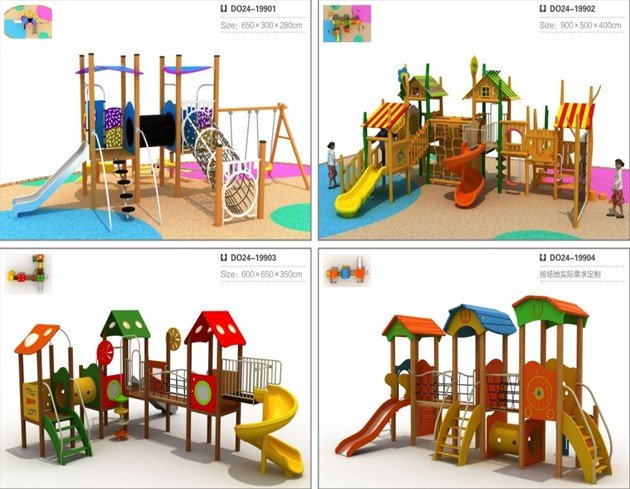
In recent years, non-powered playground equipment has become increasingly popular in parks, resorts, schools, and public recreational areas. Unlike traditional amusement rides that rely on electricity or mechanical systems, non-powered playground equipment uses natural movement, gravity, and human interaction to create engaging play experiences.
This type of playground equipment encourages children to climb, explore, balance, and interact with their environment while developing physical strength, coordination, and creativity. Because it does not rely on motors or electronic systems, non-powered playground equipment is often safer, more environmentally friendly, and easier to maintain.
Many modern parks and tourism destinations are now investing in non-powered playground systems as part of their recreational infrastructure. These playgrounds not only attract families and children but also enhance the overall visitor experience.
In this article, we will explore what non-powered playground equipment is, its key benefits, popular equipment types, and why it is becoming an essential feature for parks and resorts around the world.
What Is Non-Powered Playground Equipment?
Non-powered playground equipment refers to play structures that operate without electricity, motors, or mechanical power systems. Instead, they rely on physical movement, gravity, and user interaction to function.
Children create the play experience through their own actions, such as climbing, sliding, swinging, or balancing.
Common examples of non-powered playground equipment include:
- Slides
- Climbing structures
- Rope playgrounds
- Swings
- Balance beams
- Obstacle courses
- Adventure playgrounds
Because these playground systems do not require energy consumption, they are widely used in outdoor recreational spaces and public parks.
Why Non-Powered Playgrounds Are Becoming Popular
Many cities and tourism destinations are shifting toward non-powered playground equipment for several important reasons.
First, modern families are looking for healthier and more active forms of entertainment for children. Non-powered playgrounds encourage physical movement rather than passive entertainment.
Second, parks and resorts are focusing on sustainability and environmentally friendly infrastructure. Non-powered playground equipment fits perfectly with eco-friendly design concepts.
Third, maintenance costs are significantly lower compared to powered amusement rides.
For these reasons, non-powered playground equipment has become a preferred solution for many recreational projects.
Key Benefits of Non-Powered Playground Equipment
Encourages Physical Development
One of the most important benefits of non-powered playground equipment is that it promotes physical activity. Children naturally engage in activities such as climbing, jumping, crawling, and balancing.
These movements help develop:
- Strength
- Balance
- Coordination
- Flexibility
- Motor skills
Regular physical activity is essential for healthy child development, and playground equipment provides a fun and engaging way to encourage exercise.
Supports Social Interaction
Playgrounds are social spaces where children interact with others, learn teamwork, and develop communication skills.
Non-powered playground equipment often encourages group play activities. For example, children may cooperate when navigating obstacle courses or climbing structures together.
These social interactions help children build friendships and develop emotional intelligence.
Safe and Reliable Design
Compared with mechanical amusement rides, non-powered playground equipment has fewer complex systems that could malfunction.
Well-designed playground structures follow international safety standards and incorporate features such as:
- Rounded edges
- Anti-slip surfaces
- Protective barriers
- Shock-absorbing materials
These safety features help reduce the risk of accidents.
Lower Maintenance Costs
Because non-powered playground equipment does not rely on motors, electrical components, or hydraulic systems, maintenance is much simpler.
Operators mainly need to perform routine inspections such as:
- Checking bolts and connections
- Inspecting structural components
- Cleaning surfaces
- Replacing worn parts
This reduces long-term operational costs for park managers.
Environmentally Friendly
Sustainability is becoming an important consideration in urban planning and tourism development.
Non-powered playground equipment requires no electricity and produces no emissions, making it an environmentally friendly choice.
Many manufacturers also use recyclable materials and eco-friendly coatings in modern playground construction.
Popular Types of Non-Powered Playground Equipment
Non-powered playground systems come in many different forms, allowing designers to create diverse and engaging play environments.
Climbing Structures
Climbing equipment is one of the most common elements found in playgrounds.
Examples include:
- Climbing walls
- Rope nets
- Climbing towers
- Dome climbers
- Multi-level climbing frames
These structures challenge children to develop strength and problem-solving skills.
Slides
Slides are among the most recognizable playground attractions.
Popular types include:
- Straight slides
- Spiral slides
- Tube slides
- Wave slides
Slides can be integrated into larger playground structures or installed as standalone features.
Rope Adventure Playgrounds
Rope-based playground systems are increasingly popular in modern parks.
These playgrounds include elements such as:
- Rope bridges
- Suspension walkways
- Rope climbing pyramids
- Net tunnels
Rope structures create dynamic play environments that encourage exploration and balance.
Swings
Swings remain one of the most beloved playground features.
Different swing designs include:
- Traditional belt swings
- Bucket swings for toddlers
- Group swings
- Nest swings
Swings are simple yet highly engaging attractions.
Obstacle Courses
Obstacle playgrounds create interactive challenges for children.
These may include:
- Balance beams
- Stepping stones
- Crawl tunnels
- Climbing obstacles
- Monkey bars
Obstacle courses encourage active play and improve agility.
Applications for Non-Powered Playground Equipment
Non-powered playground systems are widely used in many types of recreational environments.
Public Parks
City parks often install large playground areas to serve local communities.
Non-powered equipment is ideal for these spaces because it is durable, safe, and cost-effective.
Resorts and Tourist Destinations
Resorts and tourism destinations use playgrounds to attract families traveling with children.
Adventure playgrounds can become key attractions that enhance the overall visitor experience.
Schools and Educational Facilities
Schools use playground equipment to promote physical activity and outdoor learning.
Well-designed playgrounds support both recreation and educational development.
Residential Communities
Many modern residential developments include playground areas to improve community living standards.
Playgrounds provide safe recreational spaces for children within the neighborhood.
Designing a Successful Non-Powered Playground
Creating a successful playground requires thoughtful planning and professional design.
Important design considerations include:
- Age-appropriate equipment
- Safety zones
- Accessibility
- Durable materials
- Attractive visual design
Professional playground manufacturers often provide design services to help clients create customized playground layouts.
Future Trends in Non-Powered Playground Design
The playground industry continues to evolve with new design trends and innovations.
Some popular trends include:
- Nature-inspired playgrounds
- Adventure-style climbing systems
- Inclusive playground equipment
- Eco-friendly materials
- Creative themed playgrounds
These trends focus on providing more engaging and meaningful play experiences.
Conclusion
Non-powered playground equipment has become an essential feature in modern parks, resorts, schools, and recreational spaces. By encouraging physical activity, social interaction, and creative play, these playground systems offer significant benefits for children’s development and community engagement.
Compared with powered amusement rides, non-powered playground equipment is safer, more environmentally friendly, and easier to maintain. These advantages make it an ideal investment for public parks, tourism destinations, and commercial recreational facilities.
As the demand for outdoor recreation continues to grow worldwide, non-powered playground equipment will remain a key component in creating vibrant and successful play environments.